

Most people shopping for a new phone zero in on three things. Camera quality, battery life and price. Security hardware rarely enters the conversation. But if you store banking apps, passwords, personal photos, or payment details on your phone, the security chip inside your device matters more than you might think.
Google understands this better than most. And with the upcoming Pixel 11. The company is preparing a significant upgrade to the dedicated security chip that has quietly protected Pixel users for years. Here’s what’s happening, what it means in real terms and why it could make the Pixel 11 one of the most compelling Android phones of 2026.
Table of Contents
Google Has Been Doing This Since 2018
Google first introduced dedicated security hardware back in 2018 with the Pixel 3. launching what it called the Titan M chip. While competitors relied entirely on software-based security. Google took a different approach building a physically separate, tamper-resistant processor dedicated exclusively to protecting sensitive data.
When the first Tensor chip arrived with the Pixel 6 in 2021. Google upgraded to the Titan M2, tightening integration between the custom silicon and the security module. Now, as the Tensor G6 approaches for the Pixel 11 a new generation is on the way: the Titan M3.
According to leaks from Mystic Leaks on Telegram. The Titan M3 carries the internal codename Google Epic and runs firmware called longjing. While full technical specifications haven’t been officially confirmed, the direction is clear this is a meaningful evolution, not just a rebrand.
What the Titan Chip Actually Does
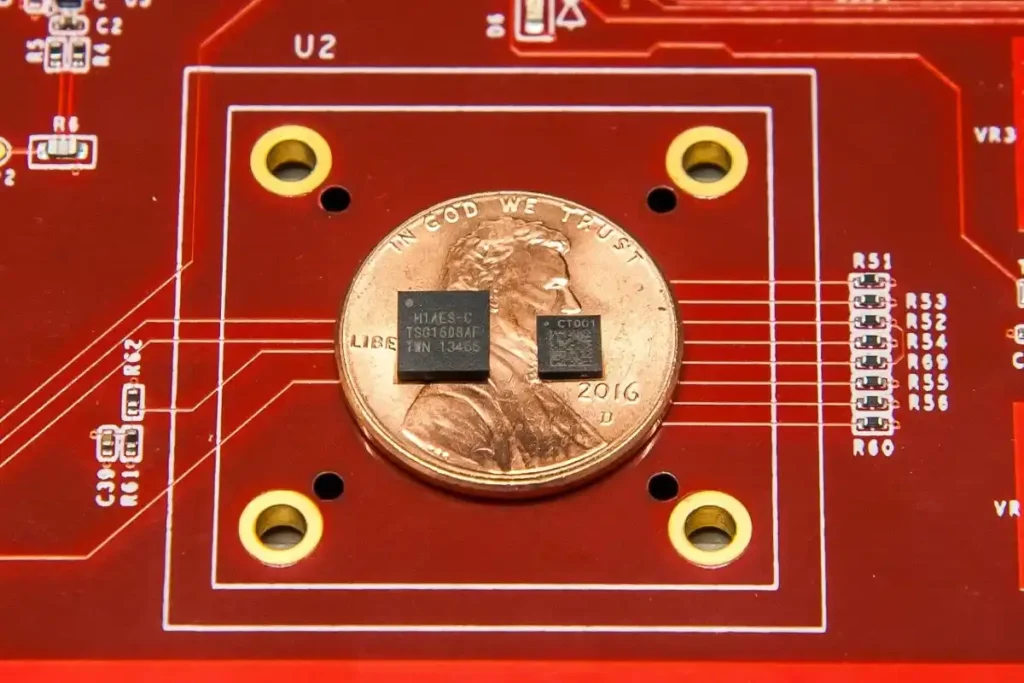
Here’s the part most tech articles skip over. The Titan chip isn’t just marketing language. It performs real, critical functions that protect you every single day:
Boot Integrity Verification
Every time you power on your Pixel. The Titan chip runs a silent check to confirm the Android operating system hasn’t been tampered with. If anything looks off whether from malware or a physical attack it flags it before the phone fully loads. You’re protected before you even unlock your screen.
Hardware-Level Encryption
Your passwords, PINs and biometric data aren’t just stored in regular phone memory. The Titan chip encrypts them at the hardware level, in an isolated environment completely separate from the main processor. Even if a hacker somehow compromised your phone’s software. They still couldn’t reach what the Titan chip is protecting.
Secure Payment Processing
Every time you tap to pay with Google Pay, the Titan chip handles the transaction through a feature called Android Strongbox Keymaster. Your payment credentials never pass through the main operating system. They go directly through the secure hardware module.
Why Hardware Beats Software Security
Software security can be exploited remotely through vulnerabilities, bugs, and zero day attacks. Hardware security specifically a physically isolated, RISC-V based tamper-resistant processor like Titan simply cannot be reached the same way. It operates in its own environment, independent from everything else on the phone.
The Tensor G6: A Chip Built on Cutting-Edge Technology
The Titan M3 upgrade doesn’t exist in isolation. It sits inside the upcoming Tensor G6. Which is shaping up to be a generational leap for Google’s custom silicon.
Last year, Google made a pivotal manufacturing switch moving from Samsung’s foundries to TSMC for the Tensor G5. The result was immediately noticeable in performance and thermal management. The Tensor G6 is expected to go even further, leveraging TSMC’s 2nm manufacturing process. One of the most advanced chip fabrication technologies available today.
To understand why 2nm matters: a smaller node means more transistors packed into the same physical space. Which translates to better performance, lower power consumption, and less heat. For everyday users, that means a faster phone that runs cooler and lasts longer on a single charge.
Early reports raised doubts about whether TSMC’s 2nm production line would be ready in time, with some suggesting Google might fall back to a 3nm+ process. However, the latest available information points to the 2nm process moving forward putting the Pixel 11 in rare company alongside the anticipated Samsung Galaxy S26 as one of the first 2nm smartphones.
Everything Else We Know About Pixel 11
Beyond the Tensor G6 and Titan M3, here’s a quick rundown of what’s expected:
- Launch window: August 2026, consistent with Google’s recent Pixel release pattern
- Modem: New MediaTek M90 modem for faster, more reliable 5G connectivity
- Camera: No major hardware overhaul expected, but new AI-powered computational photography features are likely
- Design & RAM: No significant changes anticipated from the Pixel 10 series
- Pricing: Expected to remain in line with current Pixel pricing — keeping it accessible
Should Security Hardware Actually Influence Your Phone Choice?
Here’s the honest, experience-based answer: yes and increasingly so.
Think about what lives on your phone right now. Banking credentials. Two-factor authentication codes. Health data. Private messages. Years of photos. Most people carry more sensitive personal data on their phone than anywhere else in their lives.
Apple has understood this for years the Secure Enclave inside every iPhone performs a similar role to Google’s Titan chip, and it’s a major reason iPhones are trusted by enterprises, healthcare providers and government agencies worldwide. Google’s Titan chip gives Pixel phones the same category of protection on the Android side. Something the vast majority of Android manufacturers simply don’t offer.
If you’re evaluating your next phone and security genuinely matters to you. Whether you’re a professional handling sensitive work data. A parent concerned about privacy, or simply someone who wants peace of mind. The Pixel 11’s hardware-level security deserves serious weight in your decision.
The Tensor G6 and Titan M3 won’t be the feature Google puts on a billboard. But quietly, they may be the most important reasons to choose a Pixel 11 when it arrives this August.
💬 Does dedicated security hardware matter to you when picking a phone? Drop your thoughts in the comments below.
Sources
- PhoneArena — “The Pixel 11 could be one of the most secure phones thanks to a new chip”
👉 https://www.phonearena.com/news/googles-tensor-g6-new-titan-m3-security-coprocessor_id178359 - Mystic Leaks (Telegram) — Original leak source for Titan M3 codename “Google Epic” and firmware “longjing”
- Google Security Blog — Titan M chip architecture and RISC-V tamper-resistant design
👉 https://security.googleblog.com - TSMC — 2nm manufacturing process information
👉 https://www.tsmc.com
